

How Volkswagen Improves Efficiency in the 2026 Lineup
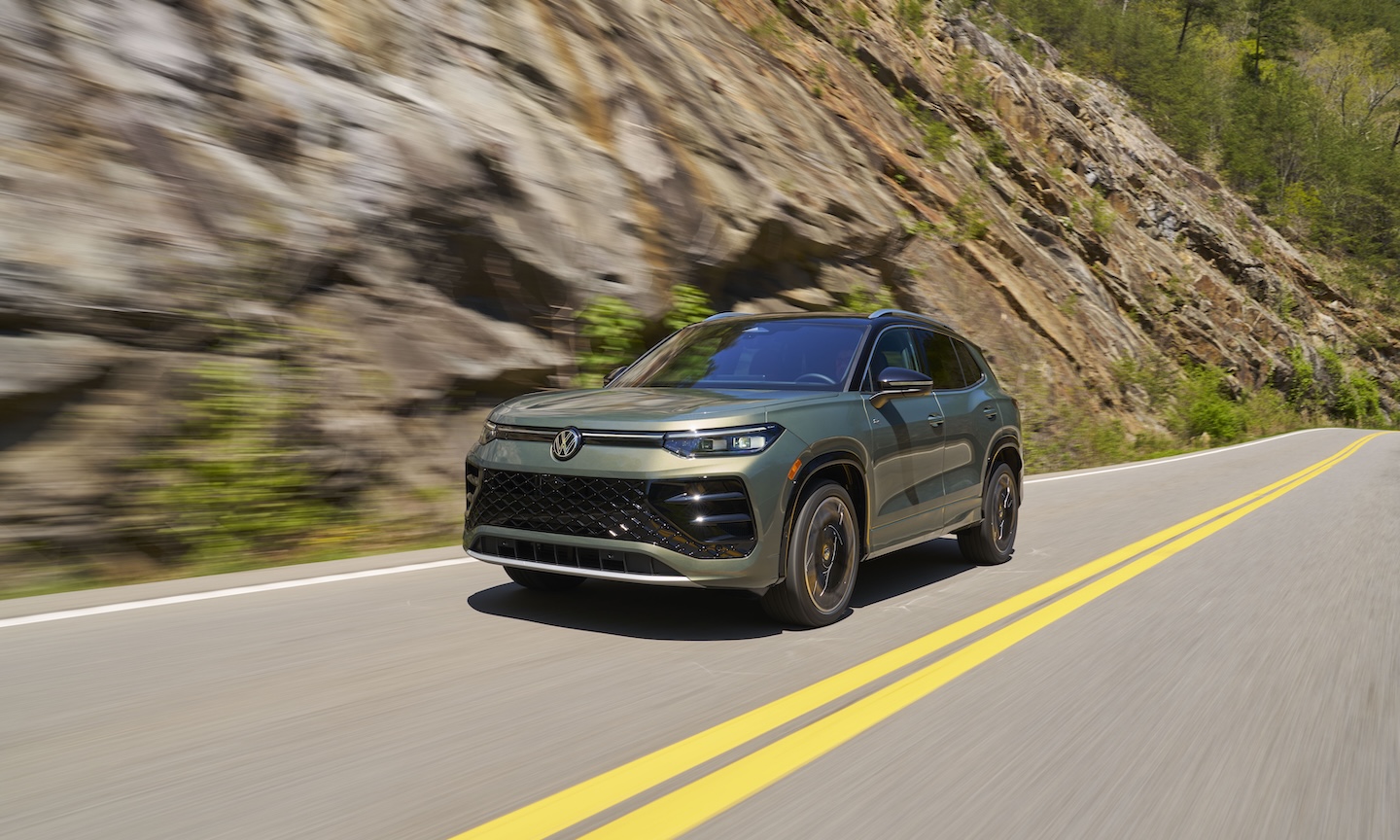
Volkswagen has long focused on putting efficiency at the core of its engineering priorities. For 2026, Volkswagen’s fuel-saving strategy includes advanced turbocharged engines, intelligent idle management, aerodynamic refinement, and, where available, electrified powertrains that improve everyday economy without compromising the fun-to-drive feel that defines the brand.
Turbocharging for Strong Power and Better Efficiency
Volkswagen relies heavily on turbocharged engines to strike a balance between performance and fuel economy. By forcing more air into a smaller, lighter engine, turbocharging allows Volkswagen models to deliver strong torque and responsiveness while using less fuel than a larger engine with equivalent power.
The result is confident acceleration with efficiency that appeals to both daily commuters and highway travelers.
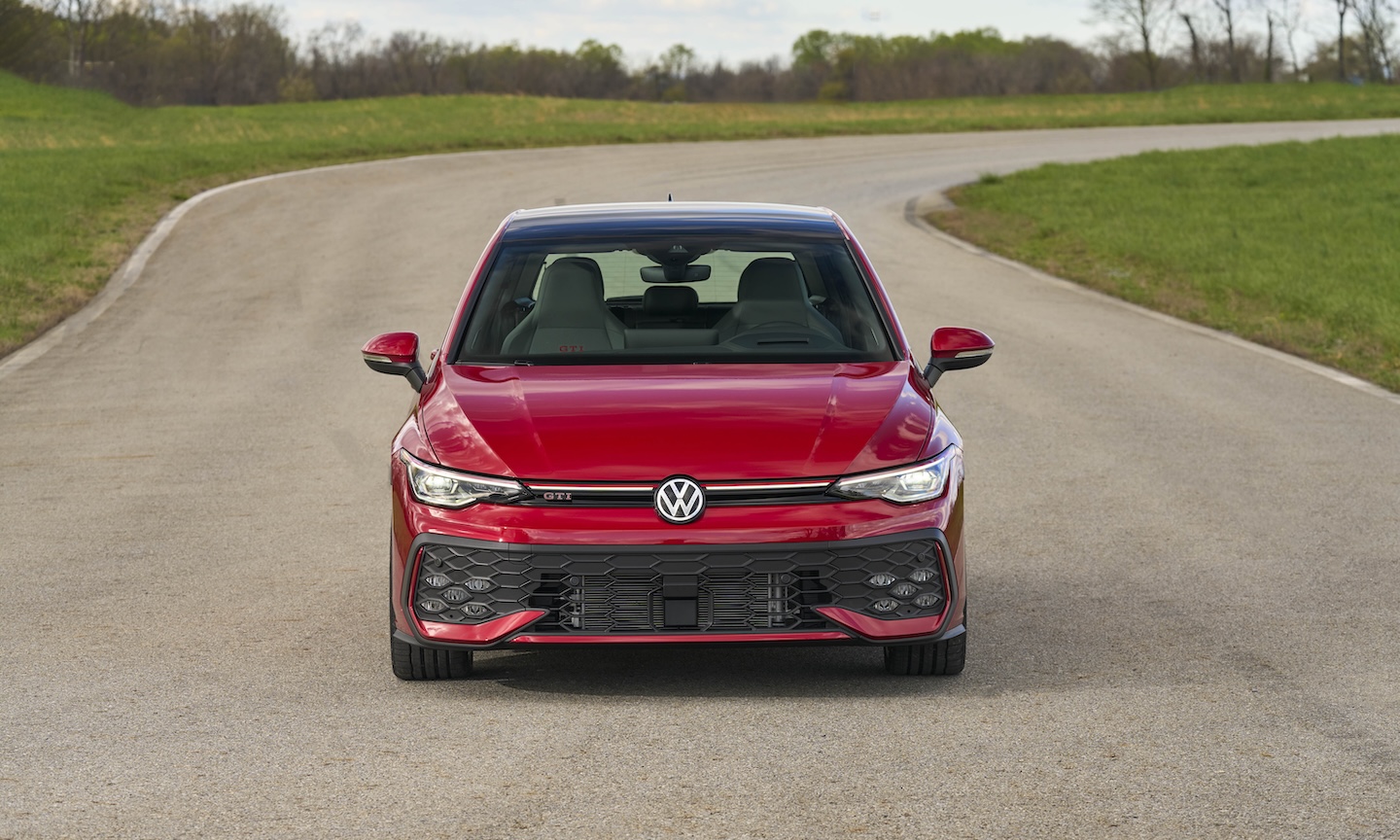
Auto Stop-Start to Reduce Fuel Waste
One energy-saving technology featured on many Volkswagen vehicles is auto stop-start. This feature pauses the engine when the vehicle comes to a complete stop, such as at a traffic light or in heavy traffic, and restarts it instantly when you begin to accelerate.
Auto stop-start reduces wasted fuel during idle time and can make a noticeable difference in urban fuel economy without any action required from the driver.
Regenerative Energy and Smart Power Management
Certain Volkswagen models with mild hybrid or electrified systems use regenerative energy capture, which recovers kinetic energy during deceleration and uses it to assist engine functions. By reusing energy that would otherwise be lost, this technology helps improve overall fuel efficiency.
Volkswagen’s electrified systems are designed to work seamlessly with traditional powertrains, offering smoother transitions and better economy without driver input.
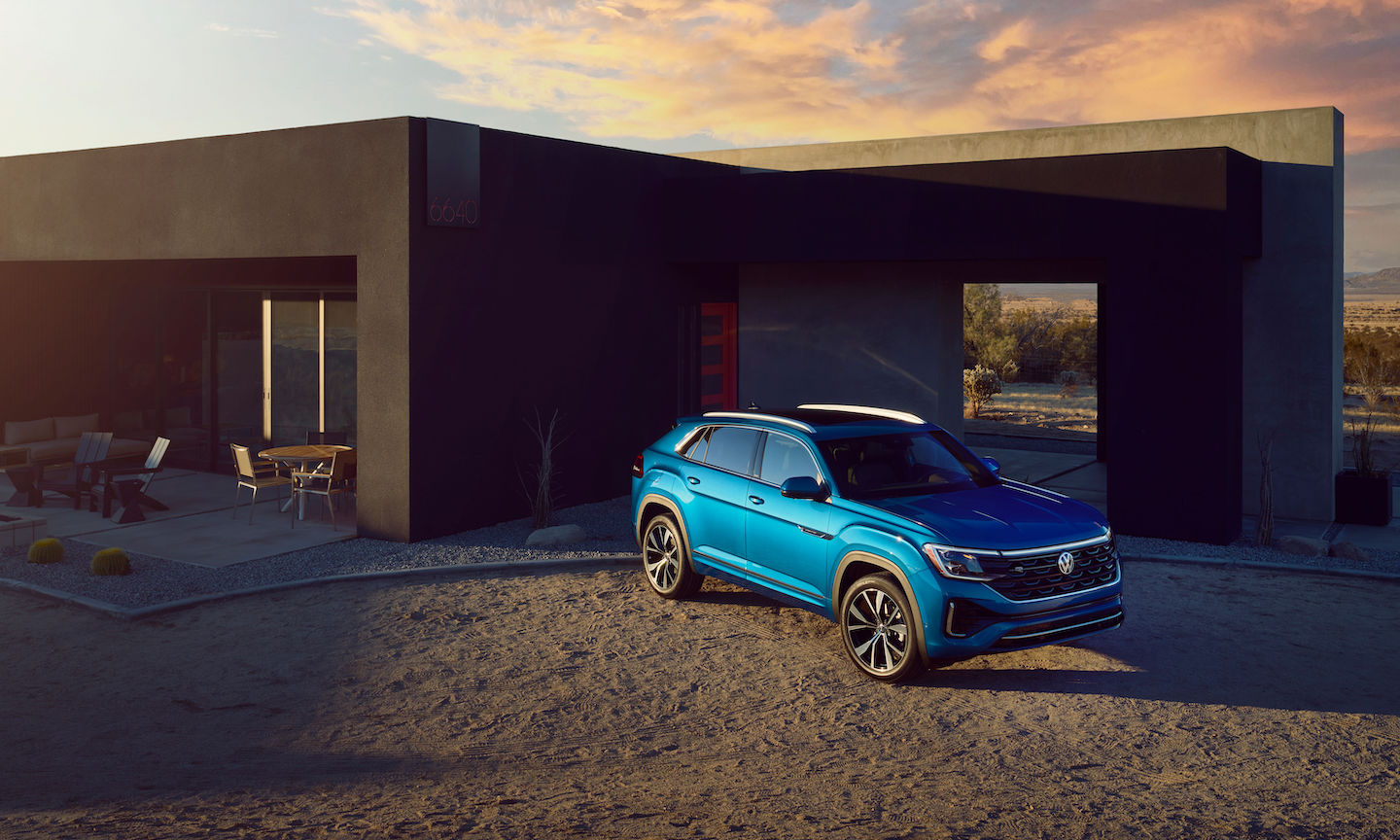
Aerodynamic Design and Drag Reduction
Fuel savings also come from smart design. Volkswagen engineers refine body shapes, grille configurations, and underbody airflow to reduce aerodynamic drag. A more aerodynamic vehicle requires less energy to maintain speed, which can improve fuel economy, especially at highway speeds.
These design choices combine with efficient powertrain systems to make every mile more efficient.
Intelligent Transmissions and Driving Modes
Volkswagen pairs its engines with transmissions that shift precisely and efficiently. Multi-gear automatic transmissions help keep the engine operating in its most efficient range, especially during highway travel.
Some models also offer selectable driving modes that adjust throttle response and transmission behavior to favor fuel economy when desired.
|
|---|
Everyday Efficiency With Volkswagen
Volkswagen’s fuel-saving features are designed to help drivers get more from every gallon. Whether through turbocharged engines, intelligent idle management, aerodynamic design, or hybrid-enhanced powertrains, Volkswagen models offer real-world efficiency that supports daily driving and long trips.
For drivers who value strong performance with smart fuel use, Volkswagen provides a thoughtful blend of technology and everyday practicality.
Contact Heritage Volkswagen to explore fuel-efficient Volkswagen models and find the right fit for your lifestyle and budget.